

Creating a pollinator-friendly garden is not only a rewarding experience for you, but it’s also crucial for the environment. Pollinators, including bees, butterflies, and hummingbirds, play an essential role in the growth of plants, including crops. Without them, ecosystems would suffer. This article will help you transform your garden into a haven for pollinators by providing simple yet effective strategies. We’ll walk through key actions that make a real difference in attracting and sustaining pollinators.
What Are Pollinators and Why Are They Important?
Pollinators are creatures that move pollen from one flower to another, facilitating fertilization and the production of seeds. This process is vital for the reproduction of plants. Without pollinators, many of the plants we rely on for food would fail to thrive.
Pollinators include bees, butterflies, moths, birds, and bats. These small creatures are often overlooked, but their role in maintaining biodiversity and supporting agriculture cannot be overstated.
How Can I Attract Pollinators to My Garden?
Use Native Plants
Direct answer: The best way to attract pollinators is by planting native species of flowers, shrubs, and trees.
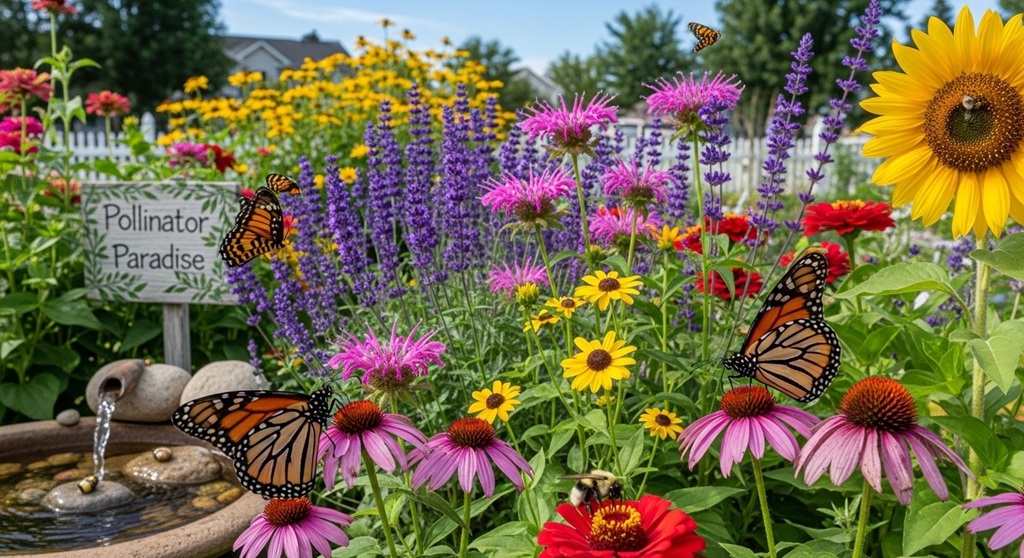
Pollinators are most attracted to plants that have evolved alongside them. Native plants offer the right nectar and pollen that local pollinators prefer. These plants are also more resilient and easier to maintain because they are well-adapted to your climate.
- Examples: Coneflowers, Black-eyed Susans, Milkweed, and Lavender.
- Tip: Research your local area for the best native plants for pollinators.
Provide a Variety of Flower Shapes and Colors
Direct answer: A diverse range of flowers with different shapes and colors can attract a wider variety of pollinators.
Different pollinators prefer different types of flowers. Bees are attracted to blue, purple, and yellow flowers, while butterflies prefer red, orange, and pink blooms. By planting a variety of flowers, you increase the chances of attracting various species.
Offer a Source of Water
Direct answer: Pollinators need water just like any other animal, so having a water source in your garden is essential.
A shallow birdbath or a small water feature can provide pollinators with much-needed hydration. Be sure to keep the water clean and change it regularly.
Avoid Pesticides and Chemicals
Direct answer: Pesticides harm pollinators, so it’s best to avoid them in your garden.
Many common pesticides are toxic to pollinators. Instead of using harmful chemicals, focus on natural pest control methods like companion planting or encouraging natural predators like ladybugs and lacewings.
Provide Shelter and Nesting Sites
Direct answer: Pollinators need a safe space to rest, nest, and breed.
Pollinators like bees and butterflies need places to lay eggs and rest. Adding features such as bee hotels, tall grasses, and patches of bare soil will encourage pollinators to stick around.
When is the Best Time to Plant for Pollinators?
Direct answer: Early spring to late fall is the best planting season for pollinators.
Planting during these times ensures a continuous source of food for pollinators throughout the growing season. Early bloomers like crocuses and daffodils are perfect for the spring, while fall-blooming plants like asters provide food as the season winds down.
What Are Some Common Pollinators in My Garden?
Bees
Direct answer: Bees are the most important pollinators in your garden.
Bees, especially honeybees and bumblebees, are efficient and vital pollinators. They are attracted to a wide variety of flowers, particularly those that are fragrant and offer ample nectar.
Butterflies
Direct answer: Butterflies are beautiful and important pollinators for many garden flowers.
Butterflies are particularly drawn to brightly colored flowers and provide an aesthetic bonus to your garden. They also pollinate a variety of plants, including herbs, vegetables, and fruits.
Hummingbirds
Direct answer: Hummingbirds are also pollinators, attracted to tubular flowers.
Hummingbirds help pollinate plants like trumpet vine, honeysuckle, and fuchsia. They’re particularly effective in pollinating plants that are inaccessible to most other pollinators due to their long beaks.
How to Create a Pollinator-Friendly Garden on a Budget?
Direct answer: You can create a pollinator-friendly garden without spending a lot of money by focusing on low-cost solutions.
Here are some budget-friendly tips for creating a pollinator-friendly garden:
- Start by collecting seeds from native plants in your area.
- Reuse containers or old garden tools as planters.
- Use mulch and organic compost to improve soil health naturally.
- Encourage volunteer plants to grow in your garden.
Conclusion: Transform Your Garden into a Pollinator Haven
Creating a pollinator-friendly garden is one of the best things you can do for the environment and your own backyard. By choosing native plants, providing water and shelter, and avoiding harmful chemicals, you’ll create a thriving ecosystem that supports pollinators all year long. Not only will you enjoy the beauty of a diverse garden, but you’ll also help support the vital work of pollinators, ensuring a healthier environment for future generations.
Ready to get started? Begin by researching native plants in your area, and don’t forget to plan for blooms throughout the entire year. The effort you put into creating a pollinator-friendly garden will pay off with beautiful, thriving plants and a healthier ecosystem.
Frequently Asked Questions (FAQ)
1. What plants attract pollinators the most?
Direct answer: Native flowering plants, such as coneflowers, lavender, and milkweed, are highly attractive to pollinators.
2. Can I use pesticides in a pollinator-friendly garden?
Direct answer: No, pesticides harm pollinators. Instead, use natural pest control methods like companion planting or encouraging beneficial insects.
3. How do I provide water for pollinators?
Direct answer: A shallow birdbath or water feature can provide hydration. Be sure to change the water regularly to keep it clean.
4. What is the best time of year to plant pollinator-friendly flowers?
Direct answer: The best time to plant is from early spring to late fall, ensuring a continuous food source for pollinators.
5. How can I attract bees to my garden?
Direct answer: Bees are attracted to native flowering plants, especially those that offer ample nectar and are fragrant.
6. Do I need to provide nesting sites for pollinators?
Direct answer: Yes, providing nesting sites like bee hotels and patches of bare soil will encourage pollinators to stay in your garden.
7. How can I create a pollinator garden on a budget?
Direct answer: Start by collecting native plant seeds, reusing containers, and using organic compost and mulch to enrich the soil.
Read More Also: How to Protect Cottage Garden Flowers from Heavy Rainfall Damage
Find out: Quick Birthday and Christmas Crochet Gifts