

Seattle homeowners take gardening seriously because the city’s cool climate and steady rainfall create ideal growing conditions for many plants. According to the United States Department of Agriculture, Washington ranks among the top states for home gardening participation each year. In addition, Seattle receives around 37 inches of rain annually, which helps many native plants thrive naturally. However, healthy gardens still require steady attention and smart planning. Many residents follow proven daily gardening tasks for healthy plants to maintain vibrant flowers, vegetables, and lawns throughout the year. With the right habits, Seattle gardeners keep their outdoor spaces productive and attractive every season.
Understanding Seattle’s Gardening Climate
Seattle’s marine climate creates mild winters and relatively cool summers. As a result, gardeners enjoy a longer growing season than many colder regions in the United States. However, constant moisture can also encourage fungal diseases and root problems. Therefore, gardeners must balance watering and airflow carefully every day.
The city also experiences cloudy conditions for much of the year. Consequently, plant placement becomes extremely important for healthy growth. Many home gardeners position vegetables and flowering plants in areas that receive the most sunlight during the afternoon. In contrast, shade-loving plants thrive under trees and near fences throughout Seattle neighborhoods.
Starting the Day With Garden Inspections
Experienced gardeners in Seattle begin each morning with a quick inspection. This routine helps them catch small issues before they become major plant problems. They check leaves for discoloration, holes, or mold growth while also monitoring soil moisture levels. Furthermore, they look for signs of pests hiding beneath leaves or around stems.
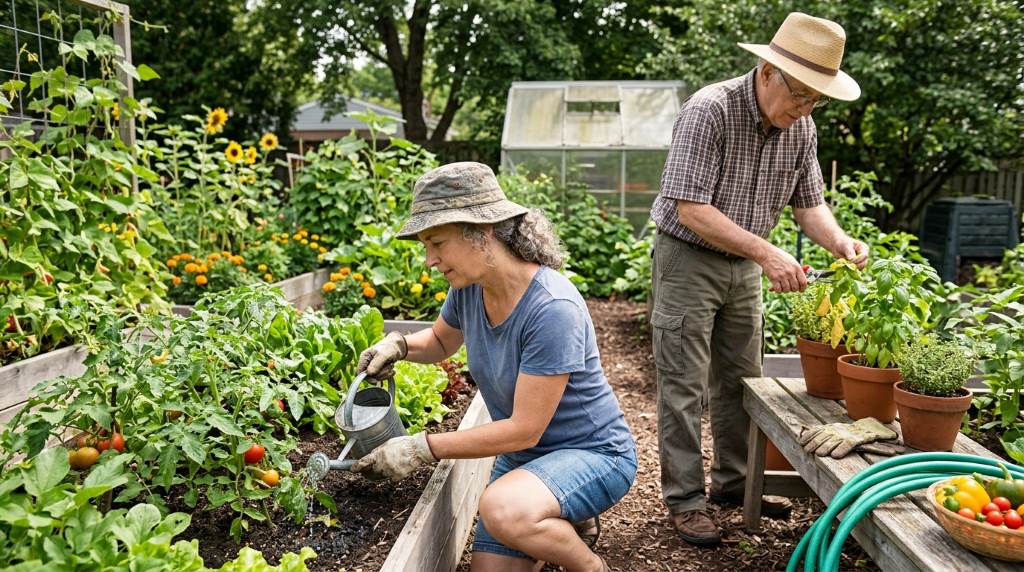
Morning inspections also allow gardeners to identify drainage problems after rainy nights. Standing water often damages roots and attracts insects quickly. Therefore, Seattle homeowners frequently loosen compacted soil around sensitive plants. This simple daily habit improves airflow and supports stronger root systems over time.
Watering Plants the Right Way
Although Seattle receives regular rainfall, many gardens still require controlled watering. Raised beds and container gardens dry out faster than traditional ground soil during warmer months. Therefore, gardeners often water plants deeply two or three times weekly instead of using light daily watering. Deep watering encourages roots to grow stronger and reach lower soil layers.
Most Seattle gardeners water early in the morning to reduce evaporation and fungal growth. In addition, morning watering gives leaves enough time to dry before cooler evening temperatures arrive. Many homeowners also use drip irrigation systems because they deliver moisture directly to roots. This method conserves water while reducing plant disease risks.
Signs Plants Need More Water
Gardeners monitor several warning signs that indicate thirsty plants. These symptoms often appear quickly during warmer summer days.
- Drooping or curling leaves
- Dry soil several inches below the surface
- Slow vegetable growth
- Yellowing lower leaves
- Cracked soil around roots
By responding quickly to these signals, Seattle gardeners prevent unnecessary stress and plant damage.
Improving Soil Health Every Day
Healthy soil forms the foundation of successful gardening in Seattle. Since heavy rain can wash nutrients away over time, gardeners regularly enrich their soil with organic matter. Compost remains one of the most popular choices because it improves drainage and nutrient retention naturally. Many homeowners add kitchen scraps and yard waste to homemade compost bins throughout the year.
Mulching also plays a major role in maintaining soil quality. Gardeners spread bark, straw, or leaves around plants to lock in moisture and suppress weeds. Moreover, mulch protects soil from heavy rain impact during wet months. This simple technique helps maintain stable temperatures and healthier root systems every season.
Common Soil Amendments Used in Seattle Gardens
Seattle gardeners often choose natural materials that work well with the local climate.
- Compost for nutrient balance
- Worm castings for microbial activity
- Peat moss for moisture retention
- Perlite for better drainage
- Organic fertilizers for long-term feeding
These materials support healthier plant growth while improving soil structure naturally.
Managing Pests Without Harming Plants
Seattle gardeners face many common pests, including slugs, aphids, and spider mites. However, many homeowners avoid harsh chemicals because they can damage pollinators and beneficial insects. Instead, gardeners rely on natural pest management techniques that protect the overall garden environment. This approach keeps plants healthier over time.
Slugs remain one of the biggest challenges because Seattle’s damp climate creates ideal breeding conditions. Therefore, gardeners often place copper tape around raised beds and containers. Others use crushed eggshells or diatomaceous earth to create natural barriers. Additionally, many gardeners attract birds and beneficial insects that help control pests naturally.
Pruning and Trimming for Better Growth
Regular pruning helps Seattle plants stay healthy and productive throughout the growing season. Gardeners remove dead leaves, weak stems, and damaged branches to improve airflow around plants. Better airflow reduces moisture buildup and lowers the risk of fungal infections significantly. Consequently, plants grow stronger and produce healthier blooms or vegetables.
Seattle gardeners also prune fruit trees carefully during dormant months. Proper trimming encourages balanced growth and improves sunlight penetration throughout the tree canopy. In addition, gardeners shape shrubs and flowering plants to prevent overcrowding. Consistent pruning creates cleaner garden spaces while supporting healthier plant development.
Benefits of Daily Pruning Checks
Even small pruning tasks make a noticeable difference in garden health.
- Prevents disease spread
- Encourages larger blooms
- Improves vegetable production
- Enhances air circulation
- Maintains attractive garden appearance
These benefits help Seattle homeowners enjoy thriving outdoor spaces year-round.
Choosing Plants That Thrive in Seattle
Smart plant selection makes gardening easier in Seattle’s climate. Native plants often perform best because they naturally tolerate local rainfall and soil conditions. Therefore, many gardeners choose ferns, salal, evergreen shrubs, and flowering perennials for low-maintenance landscapes. Native plants also support local pollinators and wildlife populations.
Vegetable gardeners select crops suited to cooler temperatures and moderate sunlight. Lettuce, kale, spinach, peas, and broccoli grow especially well in Seattle gardens. Additionally, many homeowners grow herbs like mint, parsley, and chives because they adapt easily to the region’s conditions. Choosing climate-friendly plants reduces maintenance while improving garden success.
Protecting Plants During Rainy Seasons
Seattle’s rainy months can overwhelm delicate plants if gardeners ignore drainage issues. Excess moisture often leads to root rot, mildew, and fungal diseases. Therefore, homeowners use raised beds and well-draining containers to reduce standing water risks. Raised planting areas also warm up faster during cooler spring months.
Gardeners frequently space plants farther apart during wet seasons. This strategy improves airflow and allows leaves to dry more quickly after rainfall. In addition, many gardeners remove fallen leaves and debris immediately because damp organic matter attracts pests and diseases. These daily habits help maintain healthier gardens during extended rainy periods.
Using Greenhouses and Covers
Many Seattle gardeners extend the growing season by using small greenhouses or protective covers. These structures protect sensitive plants from excessive rain and sudden temperature drops. As a result, gardeners can grow tomatoes, peppers, and cucumbers more successfully. Protective covers also reduce wind damage during stormy weather.
Cold frames remain another popular option for Seattle homeowners. They trap warmth while shielding young plants from heavy rain and chilly nights. Furthermore, gardeners use row covers to protect crops from insects and frost damage. These tools support healthier growth while increasing harvest potential.
Feeding Plants With Proper Nutrients
Plants require consistent nutrients to stay healthy and productive throughout the growing season. Seattle gardeners often use slow-release organic fertilizers because they improve soil health gradually. Organic feeding methods also reduce the risk of overfertilization and chemical buildup. Consequently, plants develop stronger roots and healthier foliage naturally.
Gardeners usually fertilize during active growing periods in spring and summer. However, they avoid heavy feeding during cooler winter months because plant growth slows significantly. Many homeowners also rotate crops yearly to prevent nutrient depletion in vegetable beds. Crop rotation improves soil balance while reducing disease risks.
Nutrients Seattle Gardens Need Most
Several nutrients play key roles in healthy plant growth.
- Nitrogen for leafy growth
- Phosphorus for root development
- Potassium for overall strength
- Calcium for healthy vegetables
- Magnesium for greener foliage
Balanced nutrition helps gardens remain productive throughout the year.
Encouraging Pollinators Naturally
Healthy gardens depend heavily on pollinators like bees, butterflies, and hummingbirds. Therefore, Seattle gardeners plant flowers that bloom throughout different seasons. Lavender, coneflowers, and sunflowers attract beneficial insects while adding color to outdoor spaces. Pollinator-friendly gardens also improve vegetable and fruit production naturally.
Many gardeners avoid pesticides during blooming periods to protect bees and butterflies. Instead, they encourage natural biodiversity throughout the garden. Water sources, flowering plants, and native shrubs create welcoming environments for helpful wildlife. Consequently, pollinators continue supporting healthy plant growth across Seattle neighborhoods.
Maintaining Lawns Alongside Gardens
Seattle homeowners often balance flower beds and vegetable gardens with healthy lawns. Proper lawn care prevents weeds and pests from spreading into nearby planting areas. Therefore, gardeners mow grass regularly while avoiding excessively short cuts. Taller grass retains moisture better and develops stronger root systems.
Aerating lawns also helps improve drainage in Seattle’s rainy climate. Many homeowners overseed lawns during fall because cooler temperatures encourage strong grass growth. In addition, they remove moss buildup before it spreads aggressively. Healthy lawns create cleaner landscapes while supporting overall garden health.
Seasonal Gardening Habits in Seattle
Gardening routines change throughout the year depending on weather conditions. Spring focuses heavily on planting, fertilizing, and preparing soil after winter rains. During summer, gardeners monitor watering needs and protect plants from occasional heat waves. Consequently, daily routines shift as temperatures and rainfall patterns change.
Fall gardening often involves cleanup and soil preparation for winter. Gardeners add compost, mulch beds, and plant cool-season crops before temperatures drop further. Winter months focus more on pruning, greenhouse care, and planning future garden layouts. These seasonal adjustments help Seattle gardens remain productive year-round.
Building Consistent Gardening Habits
Successful Seattle gardeners understand that consistency matters more than perfection. Small daily tasks prevent larger problems from developing later in the season. Therefore, many homeowners dedicate just fifteen to thirty minutes daily to garden maintenance. This simple commitment keeps plants healthier while reducing stressful emergency repairs.
Daily gardening routines also create stronger connections between homeowners and their outdoor spaces. Gardeners learn how plants respond to weather changes, pests, and soil conditions over time. Consequently, they make smarter decisions and improve results each season. Consistent care ultimately creates healthier, more beautiful gardens across Seattle communities.
Conclusion
Seattle gardeners keep plants healthy every day by combining smart routines with climate-specific strategies. From proper watering and soil care to pest control and seasonal maintenance, every small task supports stronger plant growth. Consistency remains the key factor behind thriving gardens in the Pacific Northwest climate. Whether you grow flowers, vegetables, or lawns, daily attention helps prevent common gardening problems before they worsen. Start building healthier gardening habits today and create a vibrant outdoor space that thrives throughout every Seattle season.
FAQs
What plants grow best in Seattle gardens?
Cool-season vegetables, native shrubs, ferns, and perennials grow especially well in Seattle’s mild climate.
How often should Seattle gardeners water plants?
Most gardens need deep watering two or three times weekly during warmer months.
Why do Seattle gardens struggle with slugs?
Seattle’s damp climate creates perfect conditions for slug activity and reproduction.
Is mulch important for Seattle gardens?
Yes, mulch helps retain moisture, improve soil quality, and reduce weed growth effectively.
When is the best time to plant vegetables in Seattle?
Most vegetables grow best when planted during spring after the risk of frost decreases.
Related Reads
Learn: What Are the Best Low-Maintenance Perennials for Atlanta, GA Gardens?
Learn: How to Attract Bees to Your Garden Using Native Plants
Read more: How to Create a Pollinator Friendly Garden (Top Tips)