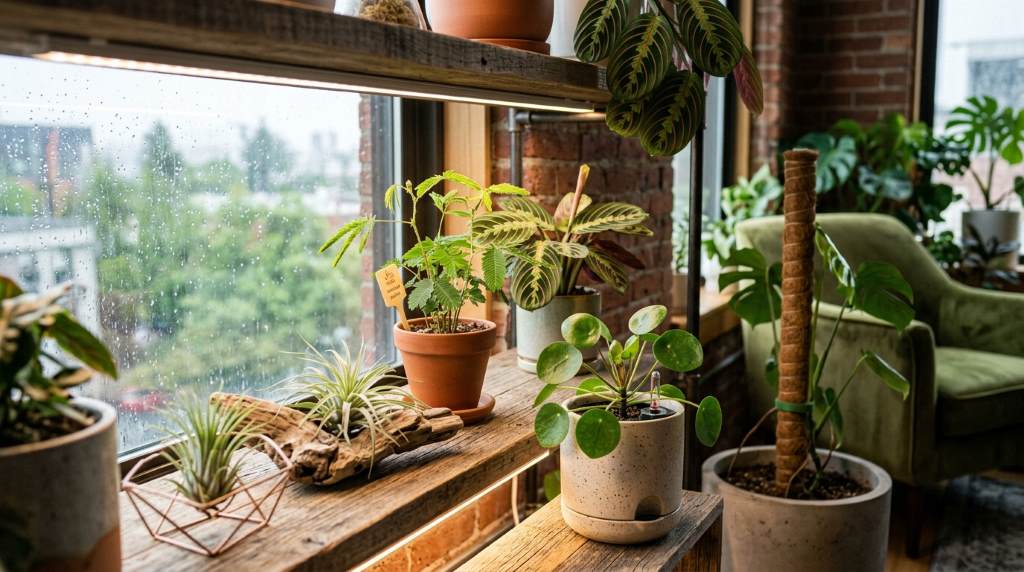

The best low-maintenance perennials for Atlanta, GA gardens include Black-Eyed Susan, Coneflower, Daylily, Liriope, Salvia, Coreopsis, Hosta, Russian Sage, Yarrow, and Autumn Fern because they tolerate Georgia’s heat, humidity, clay soil, and seasonal drought with minimal watering, pruning, or fertilizing. These plants return every year and thrive in USDA Zones 7b–8a, making them ideal for busy homeowners who want reliable color without constant yard work.
If you live in Atlanta, GA, you already know the challenge: hot summers, sudden rainstorms, dense clay soil, and limited time for yard care. Many homeowners plant flowers that look great for one season but fail the next year. The result is wasted time and money.
The solution is choosing climate-adapted perennials that survive local conditions with minimal attention. According to University of Georgia Extension landscape guidance, selecting regionally adapted perennials reduces irrigation needs and maintenance costs while improving long-term garden success.
This guide explains the 10 best low-maintenance perennials for Atlanta gardens and how to grow them successfully—even if you only have a few hours per month for landscaping.
Why Should Atlanta Homeowners Choose Low-Maintenance Perennials?
Low-maintenance perennials save time, reduce watering needs, and survive Atlanta’s humid subtropical climate better than high-maintenance annual flowers.
Atlanta gardens face three main challenges:
- Heavy clay soil that drains slowly
- Summer heat above 90°F
- Irregular rainfall patterns
Many annual plants struggle in these conditions. Perennials adapted to Georgia landscapes develop deeper root systems and return each year stronger.
Using perennial landscaping plants also reduces replacement costs. Instead of replanting every spring, homeowners invest once and enjoy multiple growing seasons.
This approach supports sustainable gardening in Atlanta neighborhoods like Buckhead, Decatur, Marietta, and Sandy Springs where water efficiency and curb appeal both matter.
Which Perennials Grow Best in Atlanta’s Climate With Little Maintenance?
The following perennials thrive in Atlanta’s USDA Zones 7b–8a with minimal watering, pruning, or fertilizing.
1. Black-Eyed Susan (Rudbeckia)
Black-Eyed Susan is one of the easiest flowering perennials for Georgia landscapes because it tolerates drought, clay soil, and full sun exposure.
- Bloom time: Summer to early fall
- Sun needs: Full sun
- Water needs: Low
- Wildlife benefit: Attracts pollinators
These bright yellow flowers create reliable color even during dry Atlanta summers.
2. Purple Coneflower (Echinacea)
Coneflowers are native to the Southeast and adapt naturally to Atlanta’s seasonal weather changes.
- Drought tolerant once established
- Supports bees and butterflies
- Returns every year with minimal care
They also resist most pests common in Georgia gardens.
3. Daylilies (Hemerocallis)
Daylilies are widely used in Atlanta residential landscaping because they survive heat, poor soil, and inconsistent watering.
Local landscapers often recommend them for roadside plantings and HOA communities because they require little maintenance after planting.
- Bloom cycles repeat yearly
- Tolerates partial shade
- Adapts to clay-heavy soil
4. Liriope (Lilyturf)
Liriope works well as a border plant, ground cover, or erosion-control solution.
It thrives in shaded Atlanta yards where turfgrass struggles to grow.
- Handles foot traffic
- Requires little watering
- Controls weeds naturally
5. Salvia
Salvia performs well in Georgia heat and produces long-lasting flower spikes that attract pollinators.
- Blooms from spring through fall
- Low irrigation needs
- Resistant to deer browsing
This makes it ideal for suburban Atlanta landscapes.
6. Coreopsis
Coreopsis is Georgia’s state wildflower and grows naturally in regional conditions.
Because it evolved locally, it requires minimal intervention.
- Thrives in sandy or clay soil
- Handles drought easily
- Provides bright seasonal color
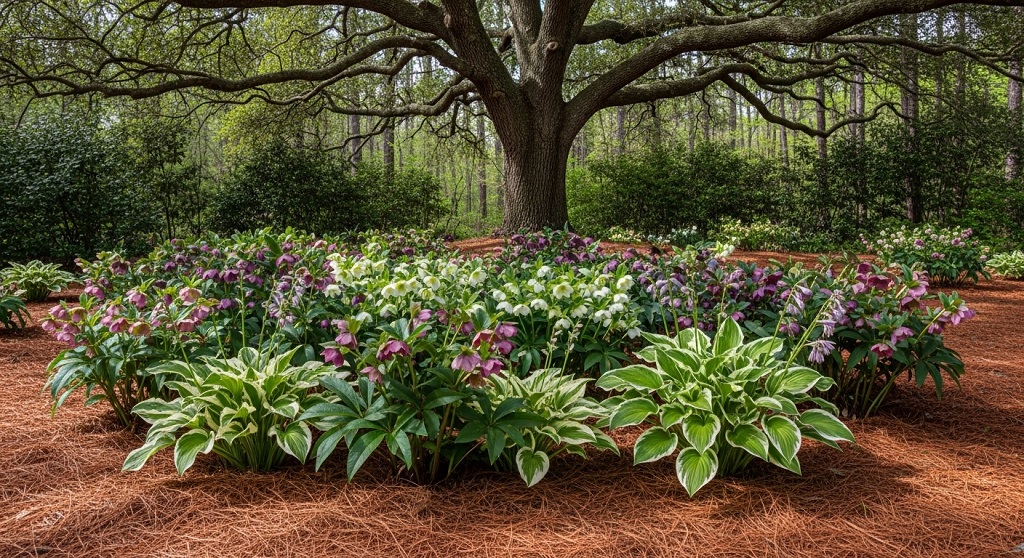
7. Hostas
Hostas are ideal for shaded Atlanta backyards with tree cover.
They require little care beyond occasional watering during extreme summer heat.
- Excellent for shade gardens
- Large decorative foliage
- Long lifespan
8. Russian Sage
Russian Sage performs well in dry Atlanta conditions and resists humidity-related disease.
- Silver foliage adds texture
- Tolerates poor soil
- Requires minimal pruning
9. Yarrow
Yarrow thrives in sunny Georgia gardens and spreads naturally over time.
- Drought resistant
- Supports pollinators
- Low fertilizer needs
10. Autumn Fern
Autumn Fern grows well in shaded Atlanta landscapes and adapts easily to woodland-style yards.
- Handles humidity well
- Evergreen appearance in mild winters
- Minimal upkeep required
How Do These Perennials Reduce Garden Maintenance in Atlanta Homes?
These perennials reduce maintenance by lowering watering frequency, minimizing fertilization needs, and eliminating seasonal replanting.
Atlanta receives about 50 inches of annual rainfall, but distribution varies throughout the year. Drought-tolerant perennials bridge dry summer periods without irrigation systems.
Deep-rooted perennial plants:
- Improve soil structure over time
- Suppress weeds naturally
- Reduce mulch replacement needs
This makes them especially useful for homeowners managing landscaping without professional crews.
What Soil Preparation Helps Perennials Thrive in Atlanta Clay Soil?
Adding organic compost before planting improves drainage and root growth in Atlanta’s dense clay soil.
Clay soil holds nutrients but drains slowly. Mixing compost increases airflow and prevents root rot.
Recommended preparation steps:
- Loosen soil 8–10 inches deep
- Add compost or pine bark fines
- Apply mulch after planting
These steps help perennials establish faster during their first growing season.
When Is the Best Time to Plant Perennials in Atlanta, GA?
The best time to plant perennials in Atlanta is early spring or early fall when temperatures remain moderate and rainfall supports root development.
Planting during these seasons allows roots to establish before extreme summer heat arrives.
Ideal planting windows:
- March through May
- September through early November
This schedule improves survival rates and reduces watering requirements.
Which Low-Maintenance Perennials Work Best for Shade in Atlanta Yards?
Hostas, Liriope, and Autumn Fern perform best in shaded Atlanta landscapes where direct sunlight is limited.
Tree-heavy neighborhoods across metro Atlanta often struggle with turfgrass failure due to reduced sunlight. Shade-tolerant perennials provide reliable alternatives.
These plants:
- Prevent erosion under trees
- Reduce bare soil exposure
- Maintain visual appeal year-round
Which Perennials Attract Pollinators in Atlanta Gardens?
Coneflowers, Coreopsis, Salvia, and Black-Eyed Susan attract bees, butterflies, and beneficial insects important for healthy backyard ecosystems.
Pollinator-friendly landscaping improves plant productivity and supports regional biodiversity.
Atlanta homeowners using native-style gardens often see:
- Increased butterfly visits
- Improved vegetable yields nearby
- Stronger seasonal blooms
How Can Busy Homeowners Maintain Perennials With Minimal Effort?
Busy homeowners can maintain perennial gardens by mulching annually, watering during extreme drought, and dividing plants every few years.
A simple maintenance schedule includes:
| Task | Frequency |
|---|---|
| Mulching | Once yearly |
| Watering during drought | As needed |
| Dividing crowded plants | Every 2–3 years |
This routine keeps gardens healthy without weekly labor.
Are Native Perennials Better for Atlanta Landscaping Projects?
Native perennials perform better in Atlanta landscapes because they evolved in Georgia’s climate and require less irrigation and fertilization.
University-backed landscape programs consistently recommend native species for long-term sustainability.
Benefits include:
- Improved drought resistance
- Reduced pest problems
- Lower maintenance costs
Examples include Coreopsis, Coneflower, and Black-Eyed Susan.
Conclusion: How Can You Build a Low-Maintenance Atlanta Garden That Lasts for Years?
Creating a low-maintenance perennial garden in Atlanta starts with choosing plants adapted to local heat, humidity, and clay soil conditions. Black-Eyed Susan, Coneflower, Daylily, Liriope, Salvia, Coreopsis, Hosta, Russian Sage, Yarrow, and Autumn Fern provide reliable structure and seasonal color with minimal effort.
Instead of replacing flowers each spring, these perennials return stronger every year. They reduce watering needs, support pollinators, and improve curb appeal across Atlanta neighborhoods.
If you want a yard that looks organized without constant work, start by planting three to five of these perennials this season. Over time, expand your garden using the same climate-adapted strategy for lasting results.
Plan your Atlanta perennial layout today and transform your landscape into a sustainable, low-maintenance outdoor space that works for your schedule.
Frequently Asked Questions About Low-Maintenance Perennials in Atlanta, GA
Which perennials bloom the longest in Atlanta gardens?
Salvia, Coreopsis, and Coneflower provide some of the longest bloom periods in Atlanta landscapes, often flowering from late spring through early fall with minimal maintenance.
Do perennials survive Atlanta summer heat without watering?
Many established perennials such as Black-Eyed Susan, Russian Sage, and Yarrow tolerate Atlanta summer heat with little supplemental watering once roots mature.
What perennials grow best in Atlanta clay soil?
Daylilies, Liriope, Coreopsis, and Coneflower adapt well to clay soil and require only basic compost amendments during planting.
Are low-maintenance perennials good for front yard landscaping?
Yes. These plants improve curb appeal, reduce replacement costs, and provide consistent structure for front yard garden beds across Atlanta neighborhoods.
How many perennials should I plant together for best results?
Planting perennials in groups of three to five creates stronger visual impact and improves pollinator attraction while simplifying maintenance.
Can perennials grow in partial shade in Atlanta yards?
Yes. Hostas, Autumn Fern, and Liriope perform well in shaded areas common under mature trees in metro Atlanta landscapes.
Do perennial gardens increase property value in Atlanta?
Well-maintained perennial landscaping improves curb appeal and supports resale impressions by creating structured outdoor spaces that require less upkeep.
Read More Also: The Lovely Crispy Wave Fern: A Compact Beauty for Your Home
Discover More: How to Create a Pollinator Friendly Garden (Top Tips)