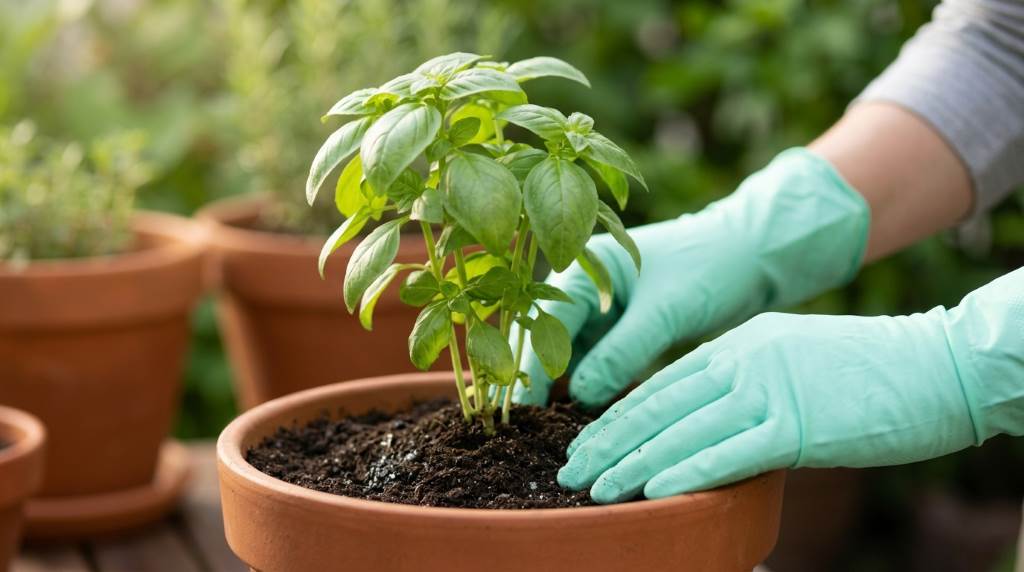

Seattle’s indoor plant scene has evolved rapidly over the past decade, driven by urban living and a strong culture of sustainability. Studies show that over 66% of U.S. households now own at least one houseplant, and cities like Seattle lead this trend due to limited outdoor gardening space. As people seek deeper connections with nature, interactive plants have become a growing interest among plant enthusiasts. Many homeowners now look beyond decoration and prefer plants that respond to touch, light, or care routines. While exploring this shift, beginners often search for guidance like sensitive plant indoor care tips to understand these unique species. This article explores how interactive plants are shaping indoor gardening trends in Seattle and how you can adopt them successfully.
Understanding the Rise of Interactive Plants
Interactive plants refer to species that visibly respond to environmental changes or human interaction, making them more engaging than traditional houseplants. These plants may close their leaves, move toward light, or react to touch, creating a sense of connection between the plant and its caretaker. In Seattle, where long rainy seasons limit outdoor time, these plants provide a dynamic indoor experience. Moreover, they appeal to both seasoned gardeners and beginners looking for something more engaging. As urban lifestyles become more digital, people increasingly value tactile and responsive experiences at home. Therefore, interactive plants fit perfectly into modern indoor gardening trends.
What Makes a Plant Interactive?
Interactive plants differ from standard houseplants because they exhibit noticeable changes when stimulated. For example, some plants react to touch, while others shift based on light exposure or humidity levels. These responses create a sense of feedback, which makes plant care feel more rewarding. Additionally, these plants often require attentive care, which encourages mindfulness. In Seattle’s climate, where natural light fluctuates, observing plant responses becomes even more fascinating. As a result, homeowners find themselves more engaged in daily plant care routines.
Why Seattle is Embracing This Trend
Seattle’s climate plays a major role in shaping indoor plant preferences, especially with frequent rain and overcast skies. Since outdoor gardening is limited for much of the year, residents invest more in indoor greenery. Furthermore, the city’s eco-conscious culture supports sustainable and nature-focused lifestyles. Interactive plants align with these values by promoting awareness and connection with living organisms. Many Seattle homes also feature modern interiors that highlight unique decor elements. Therefore, these plants serve both aesthetic and experiential purposes.
Popular Interactive Plants in Seattle Homes
Several plant species have gained popularity in Seattle due to their interactive qualities and adaptability to indoor environments. These plants not only thrive indoors but also offer unique behaviors that capture attention. Additionally, they suit the city’s moderate indoor temperatures and humidity levels. While some require specific care, many are beginner-friendly with the right guidance. As demand increases, local nurseries continue to stock a wider variety of these plants. Consequently, homeowners have more options than ever before.
Top Choices for Interactive Indoor Plants
- Sensitive Plant (Mimosa pudica) – Folds leaves when touched
- Venus Flytrap – Closes traps on insects
- Prayer Plant – Moves leaves based on light cycles
- Oxalis (Purple Shamrock) – Opens and closes leaves daily
- Telegraph Plant – Shows subtle leaf movements
Each of these plants offers a distinct interaction, making them ideal for creating a dynamic indoor garden. Moreover, they can be combined to create visually and functionally diverse plant displays. Seattle residents often mix these plants with traditional greenery for balance. This combination enhances both visual appeal and engagement. Therefore, selecting the right mix can transform a simple indoor space into a lively environment.
Climate Considerations for Seattle Growers
Seattle’s climate presents unique challenges and opportunities for indoor plant care. The city experiences mild temperatures but limited sunlight, especially during winter months. Therefore, plant placement becomes crucial for maintaining healthy growth. Additionally, indoor heating systems can affect humidity levels, which impacts sensitive plants. Understanding these factors helps gardeners make informed decisions. As a result, plant health and responsiveness improve significantly.
Managing Light in Low-Sun Conditions
Natural light in Seattle can be inconsistent, particularly during fall and winter. To compensate, many plant owners use grow lights to maintain adequate illumination. These lights mimic natural sunlight and support plant growth effectively. Additionally, placing plants near south-facing windows maximizes available light. However, care should be taken to avoid direct harsh sunlight during summer. Therefore, balancing natural and artificial light ensures consistent plant health.
Maintaining Proper Humidity Levels
Interactive plants often require stable humidity levels to function properly. Seattle’s indoor environments can become dry due to heating systems. To address this, many gardeners use humidifiers or place water trays near plants. Grouping plants together also helps maintain moisture levels naturally. Additionally, regular misting can support humidity-sensitive species. Consequently, these methods create a more suitable environment for interactive plants.
Designing Interactive Indoor Spaces
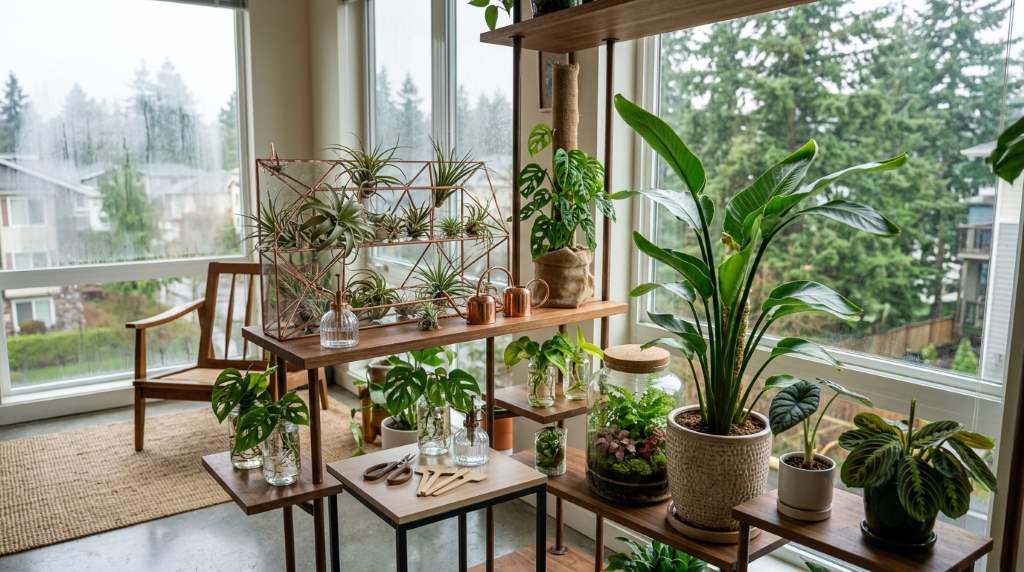
Creating an interactive plant setup involves more than simply placing plants around a room. It requires thoughtful design to highlight plant behaviors and ensure accessibility. Seattle homeowners often incorporate plants into living spaces, work areas, and even kitchens. This approach allows for frequent interaction and observation. Additionally, combining plants with modern decor enhances visual appeal. Therefore, design plays a key role in maximizing the impact of interactive plants.
Layout Tips for Maximum Engagement
- Place interactive plants at eye level for easy observation
- Use shelves and stands to create layered displays
- Position plants near frequently used areas
- Ensure adequate spacing for airflow and light
- Rotate plants regularly to promote even growth
These strategies help create a balanced and engaging indoor garden. Moreover, they make plant care more convenient and enjoyable. Seattle residents often integrate these layouts into small apartments and larger homes alike. As a result, interactive plants become a central feature of interior design. Therefore, thoughtful placement enhances both function and aesthetics.
Benefits of Interactive Plants
Interactive plants offer more than visual appeal; they contribute to mental well-being and environmental awareness. Studies indicate that indoor plants can reduce stress levels by up to 37%, making them valuable additions to urban homes. Additionally, interactive plants encourage mindfulness through regular care and observation. In Seattle, where seasonal changes can affect mood, these benefits are particularly important. Furthermore, they provide educational opportunities for children and adults alike. Consequently, these plants serve multiple purposes beyond decoration.
Emotional and Psychological Impact
Caring for interactive plants creates a sense of responsibility and connection. Observing plant responses can be calming and rewarding, especially after a long day. Additionally, these plants encourage routine, which supports mental health. Seattle residents often use plant care as a form of relaxation and stress relief. Moreover, the interactive nature of these plants enhances engagement. Therefore, they contribute positively to overall well-being.
Educational Value for Families
Interactive plants provide a hands-on learning experience for children and adults. They demonstrate basic biological processes such as photosynthesis and plant movement. Additionally, they spark curiosity and encourage exploration. Families in Seattle often use these plants as educational tools at home. Moreover, they promote environmental awareness and responsibility. As a result, interactive plants become both fun and informative.
Related:
How to troubleshoot common ready mix concrete problems
How to Attract Bees to Your Garden Using Native Plants
Challenges and Solutions
While interactive plants offer many benefits, they also come with specific care requirements. These plants may be more sensitive to environmental changes than standard houseplants. Therefore, understanding their needs is essential for success. Seattle’s climate can present challenges, but solutions are readily available. With proper care, these plants can thrive indoors. Consequently, challenges become manageable with the right approach.
Common Issues and How to Fix Them
- Lack of light – Use grow lights or adjust placement
- Low humidity – Add humidifiers or mist regularly
- Overwatering – Ensure proper drainage and soil conditions
- Temperature fluctuations – Keep plants away from drafts
- Slow response – Check plant health and environmental factors
By addressing these issues proactively, gardeners can maintain healthy interactive plants. Additionally, regular monitoring helps identify problems early. Seattle residents often adapt their care routines based on seasonal changes. As a result, plants remain responsive and vibrant. Therefore, consistency is key to long-term success.
The Future of Interactive Plant Trends
The popularity of interactive plants continues to grow as more people seek meaningful connections with nature. In Seattle, this trend aligns with sustainability and wellness movements. Additionally, advancements in plant care technology make it easier to maintain these plants. Smart sensors and automated systems are becoming more accessible. Therefore, the future of indoor gardening looks increasingly interactive and innovative. As a result, homeowners can expect even more engaging plant experiences.
Emerging Innovations in Indoor Gardening
New technologies are transforming how people care for indoor plants. Smart pots can monitor soil moisture and send alerts to users. Additionally, automated watering systems reduce maintenance efforts. These innovations make interactive plants more accessible to beginners. Seattle residents are quick to adopt such technologies due to their tech-savvy culture. Consequently, indoor gardening continues to evolve rapidly.
Conclusion
Interactive plants are redefining indoor gardening in Seattle by combining beauty, engagement, and wellness benefits. They offer a unique way to connect with nature, especially in a city with limited outdoor gardening opportunities. By understanding climate considerations and proper care techniques, anyone can successfully grow these plants indoors. Additionally, thoughtful design and layout can enhance their impact. As this trend continues to grow, now is the perfect time to explore interactive plants for your home. Start small, experiment with different species, and create a living space that truly responds to you.
FAQs
What are interactive plants?
Interactive plants are species that respond visibly to touch, light, or environmental changes.
Are interactive plants hard to care for?
They require attention, but most are manageable with proper light, humidity, and watering.
Do interactive plants grow well in Seattle?
Yes, they adapt well to indoor conditions when light and humidity are managed properly.
Can beginners grow interactive plants?
Absolutely, many species are beginner-friendly with basic care knowledge.
Do interactive plants improve mental health?
Yes, they can reduce stress and promote mindfulness through daily care routines.
Image ALT text suggestions:
- Interactive indoor plants reacting to touch in a modern Seattle apartment living room
- Sensitive plant closing leaves after touch in indoor garden setup with natural lighting
- Seattle home interior with layered plant shelves featuring interactive species
- Close-up of prayer plant leaves moving in response to changing indoor light conditions